Archives
- 2026-02
- 2026-01
- 2025-12
- 2025-11
- 2025-10
- 2025-09
- 2025-03
- 2025-02
- 2025-01
- 2024-12
- 2024-11
- 2024-10
- 2024-09
- 2024-08
- 2024-07
- 2024-06
- 2024-05
- 2024-04
- 2024-03
- 2024-02
- 2024-01
- 2023-12
- 2023-11
- 2023-10
- 2023-09
- 2023-08
- 2023-07
- 2023-06
- 2023-05
- 2023-04
- 2023-03
- 2023-02
- 2023-01
- 2022-12
- 2022-11
- 2022-10
- 2022-09
- 2022-08
- 2022-07
- 2022-06
- 2022-05
- 2022-04
- 2022-03
- 2022-02
- 2022-01
- 2021-12
- 2021-11
- 2021-10
- 2021-09
- 2021-08
- 2021-07
- 2021-06
- 2021-05
- 2021-04
- 2021-03
- 2021-02
- 2021-01
- 2020-12
- 2020-11
- 2020-10
- 2020-09
- 2020-08
- 2020-07
- 2020-06
- 2020-05
- 2020-04
- 2020-03
- 2020-02
- 2020-01
- 2019-12
- 2019-11
- 2019-10
- 2019-09
- 2019-08
- 2019-07
- 2019-06
- 2019-05
- 2019-04
- 2018-11
- 2018-10
- 2018-07
-
Colony stimulating factor receptor CSF
2019-10-07
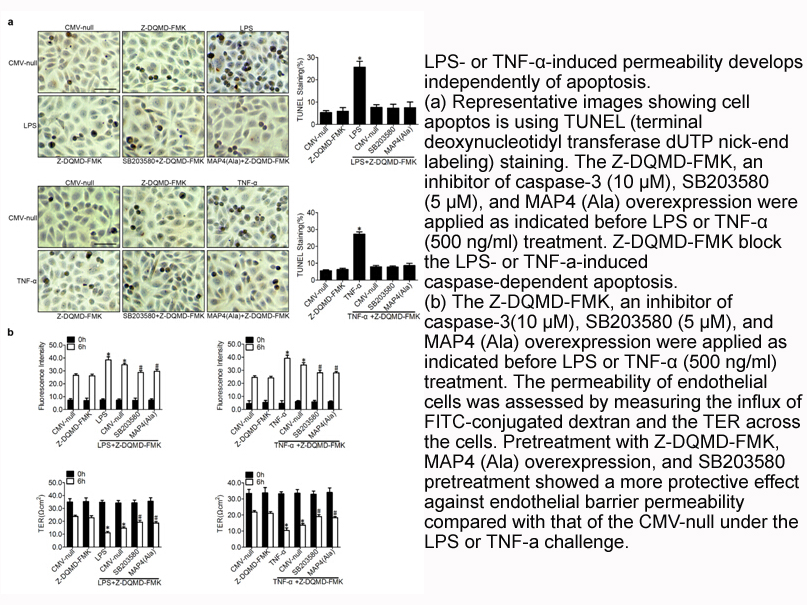
Colony stimulating factor-1 receptor (CSF-1R or cFMS) is a type III receptor tyrosine kinase. It is activated by binding with CSF-1 and IL-34, which stimulates differentiation, proliferation, survival and migration of monocyte-macrophage lineage cells., , , Also, macrophages produce inflammatory me
-
itsa and A study profiling chemokine expression
2019-10-07

A study profiling chemokine expression in LCLs revealed high expression levels of CCR6, CCR7, and CCR10 and low expression of CXCR4 and CXCR5 in EBV immortalized cells. Accordingly, LCLs showed a markedly increase in migration in response to the ligands of CCR6 (CCL20), CC7 (CCL21), and CCR10 (CCL28
-
br Acknowledgments br Introduction Ubiquitin
2019-10-07
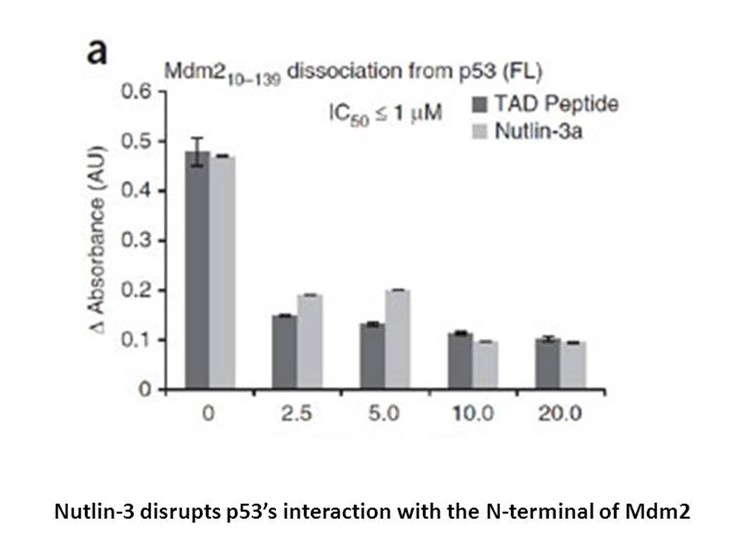
Acknowledgments Introduction Ubiquitin ligases limit the stability and activity of substrates by targeting them for proteasomal-dependent degradation. Siah is a two-member family of ubiquitin ligases implicated in control of key cellular processes. Among those, Siah ligases control prolyl hydr
-
More unusual modifications also regulate DUBs
2019-10-07
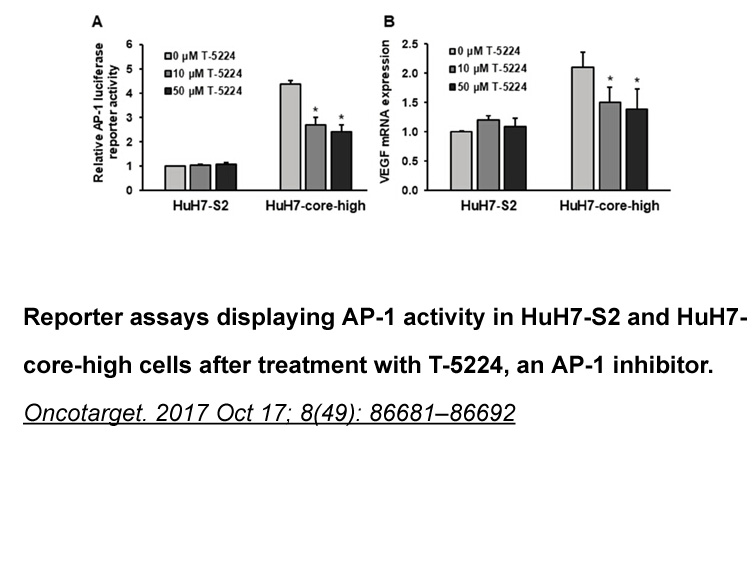
More unusual modifications also regulate DUBs. Recent reports have illustrated how reactive oxygen species (ROS) can regulate DUB activity 87, 88, 89, 90. ROS can serve as potent signaling molecules by reacting with active site cysteines of tyrosine phosphatases and some cysteine peptidases to form
-
During DNA replication p protein binds PCNA in its role
2019-10-05
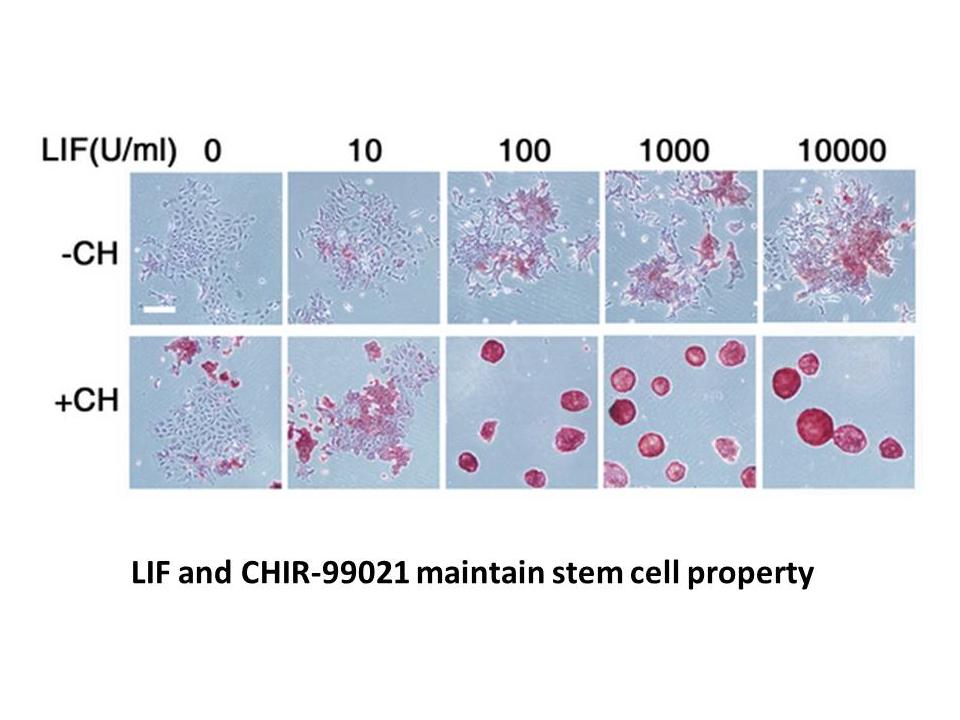
During DNA replication p21 protein binds PCNA, in its role as processivity factor, to stop replication when there is DNA damage, and apparently p21 also binds PCNA when this is in complex with Cyc/CDKs [11]. In plants, KRPs (functional analogs of p21), inhibit kinase activity in CycD/CDKs complexes
-
br Materials and methods br Results The monoclonal antibody
2019-10-05
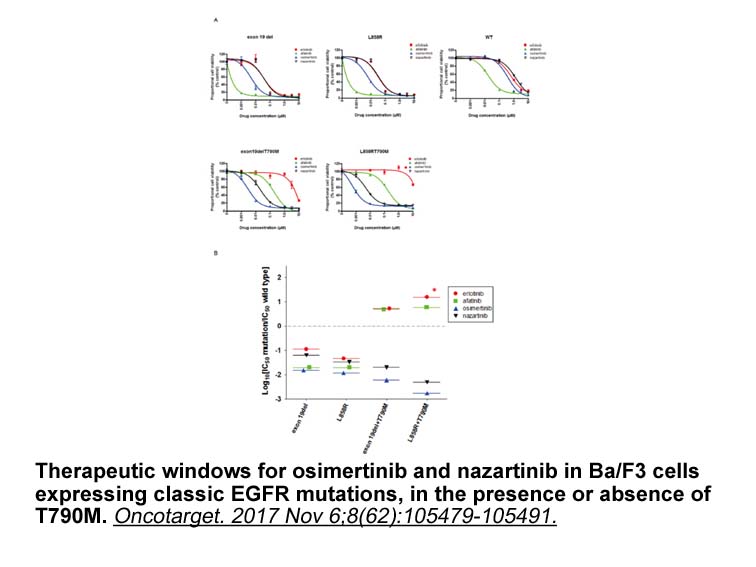
Materials and methods Results The monoclonal antibody (mAb), 12G5, reacts specifically with the human fusin protein and recognizes the protein on many T-cell lines such as the SUP-T1 NVP 231 (Endres et al., 1996). As shown in Fig. 1, AMD3100 at 25 μg/ml completely inhibited the binding of the
-
Rat pheochromocytoma PC cells have been widely used as a
2019-10-05
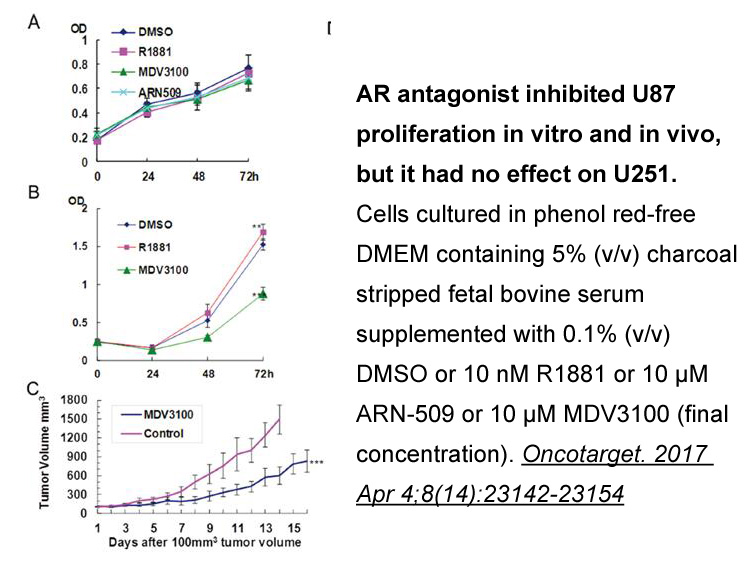
Rat pheochromocytoma PC12 cells have been widely used as a cell system to study intracellular signaling leading to neurite outgrowth. The advantages of using PC12 cells in the CHK studies are the fact that they naturally express the rat form of CHK and the observation that down-regulation of CHK fun
-
The majority of serpins inhibit serine proteases but serpins
2019-10-04

The majority of serpins inhibit serine proteases, but serpins that inhibit caspases or papain-like cysteine proteases have also been identified [4], [5]. Inhibitory serpins are ‘suicide’ or ‘single use’ inhibitors that use a unique conformational change to inhibit proteases. This conformational tran
-
Sodium Orthovanadate One of the critical functions of the
2019-10-04
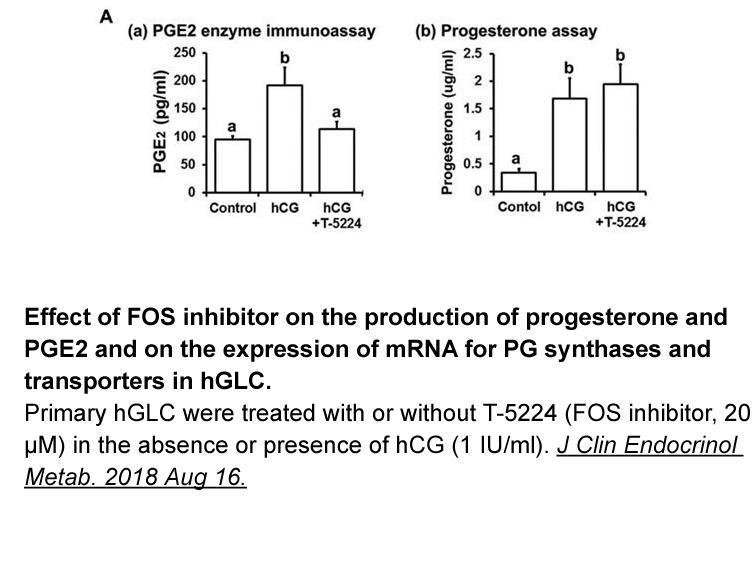
One of the critical functions of the product of the AR gene is to activate the expression of target genes. This transactivation activity resides in the N-terminal domain of the protein encoded in exon 1, which contains polymorphic repeats. These trinucleotide repeats, (CAG) and (GGC), encode polyglu
-
Quantifying diffusion is greatly complicated by the ubiquito
2019-10-04
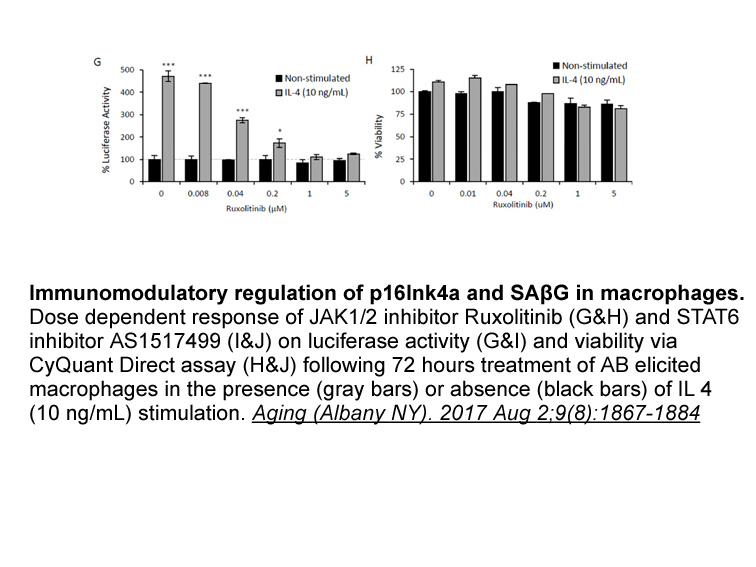
Quantifying Clodronate Disodium is greatly complicated by the ubiquitous unevenness of soil surfaces and related water films, which introduce a large uncertainty into size (area) and quality of contact between the soil surface and the membrane, the problem being particularly substantial in well aggr
-
The combination of brequinar and
2019-10-03
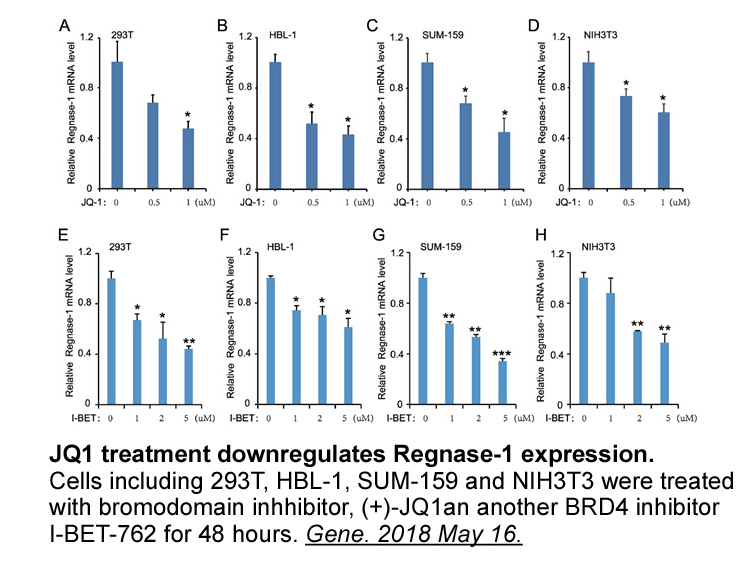
The combination of brequinar and 5-fluorouracil (5-FU) has been evaluated to assess whether brequinar-induced uridine depletion would improve 5-FU activity. In cells, 5-FU is metabolized into FdUMP and inhibits thymidylate synthetase, which catalyzes the formation of thymidine monophosphate from deo
-
To study the effect of DDR inhibition by imatinib
2019-10-02
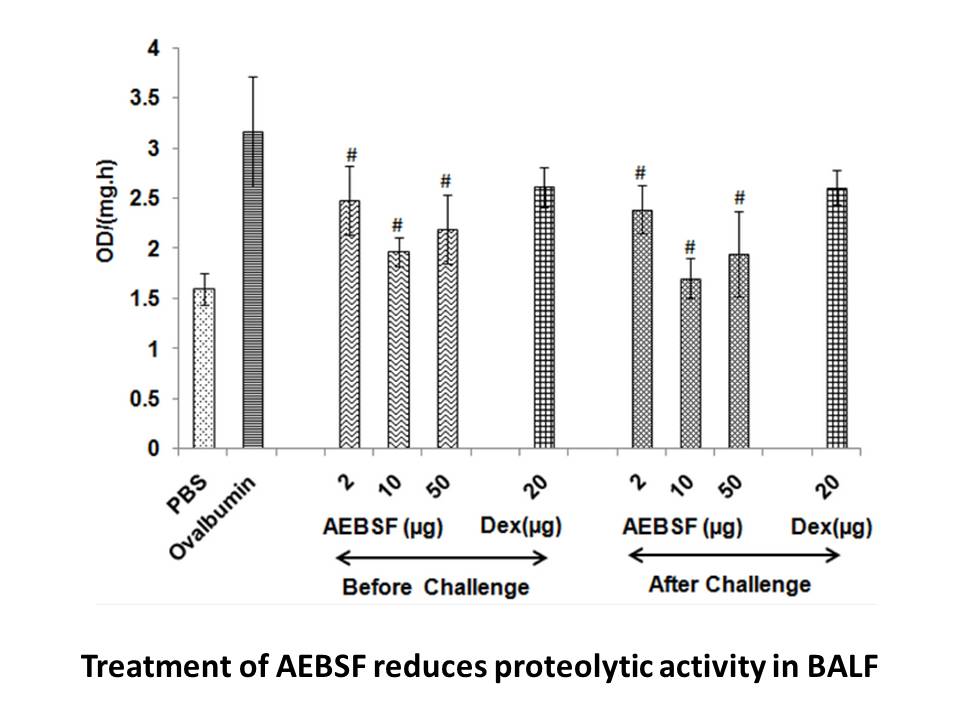
To study the effect of DDR inhibition by imatinib, nilotinib and dasatinib in a cellular environment we generated DDR1 and DDR2 expressing HEK293 cell lines by stable transfection. Of the five DDR1 splice variants we focused on the 1b variant whose over-expression has been associated with pulmonary
-
The host virus coexistence is completely dependent on the ba
2019-10-02
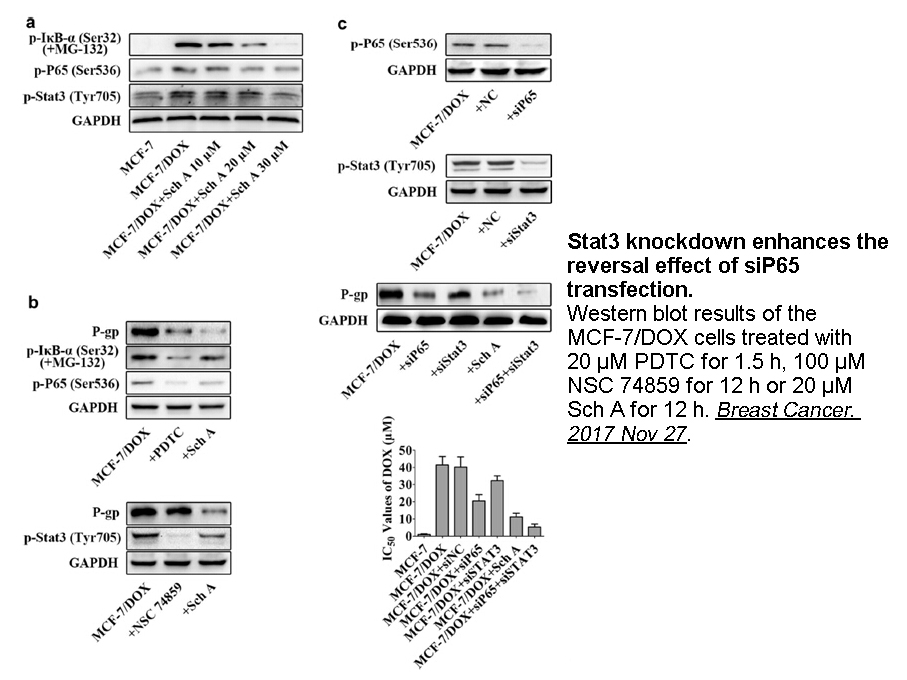
The host-virus coexistence is completely dependent on the balance between a strong immune response inhibiting virus replication and immune evasion and survival of the virus with periodic shedding to enable transmission to new hosts. In the process of ensuring this balance, the virus manipulates 7TM
-
The structure of the HOIP
2019-10-02
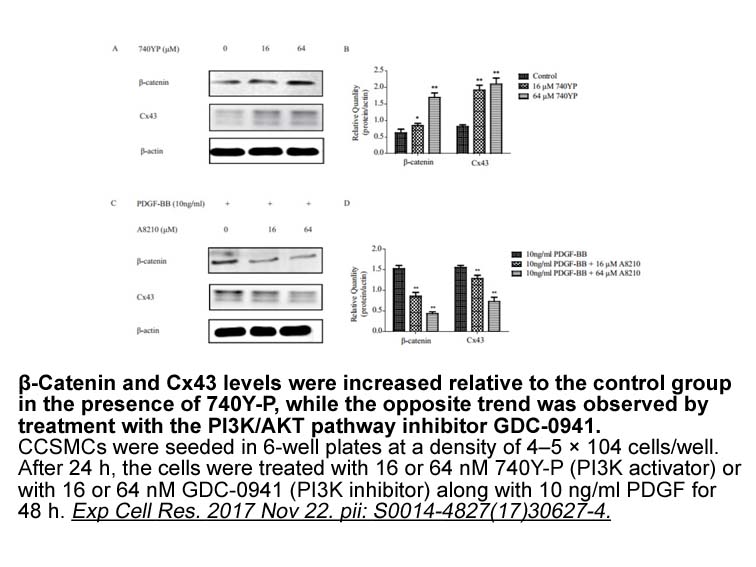
The structure of the HOIP RBR–LDD module bound to UbcH5~Ub reveals insights into an activated HOIP component [47]. Contacts between the E2~Ub and the non-cognate RBR module in the crystal suggest how a structure in which the active sites of the E2 and the E3 are in close proximity might look. In thi
-
br Results To understand how Rad functions to
2019-10-02
Results To understand how Rad53 functions to maintain replisome integrity, we first analyzed newly synthesized leading- and lagging-strand DNA in wild-type (WT) and rad53-1 mutant cells using BrdU-IP-ssSeq, a method that detects synthesis of both leading and lagging strands (Yu et al., 2014). Bri
16504 records 988/1101 page Previous Next First page 上5页 986987988989990 下5页 Last page