Archives
- 2026-10
- 2026-09
- 2026-08
- 2026-07
- 2026-06
- 2026-05
- 2026-04
- 2026-03
- 2026-02
- 2026-01
- 2025-12
- 2025-11
- 2025-10
- 2025-09
- 2025-03
- 2025-02
- 2025-01
- 2024-12
- 2024-11
- 2024-10
- 2024-09
- 2024-08
- 2024-07
- 2024-06
- 2024-05
- 2024-04
- 2024-03
- 2024-02
- 2024-01
- 2023-12
- 2023-11
- 2023-10
- 2023-09
- 2023-08
- 2023-07
- 2023-06
- 2023-05
- 2023-04
- 2023-03
- 2023-02
- 2023-01
- 2022-12
- 2022-11
- 2022-10
- 2022-09
- 2022-08
- 2022-07
- 2022-06
- 2022-05
- 2022-04
- 2022-03
- 2022-02
- 2022-01
-
Inactivation of the proton pump
2024-10-31
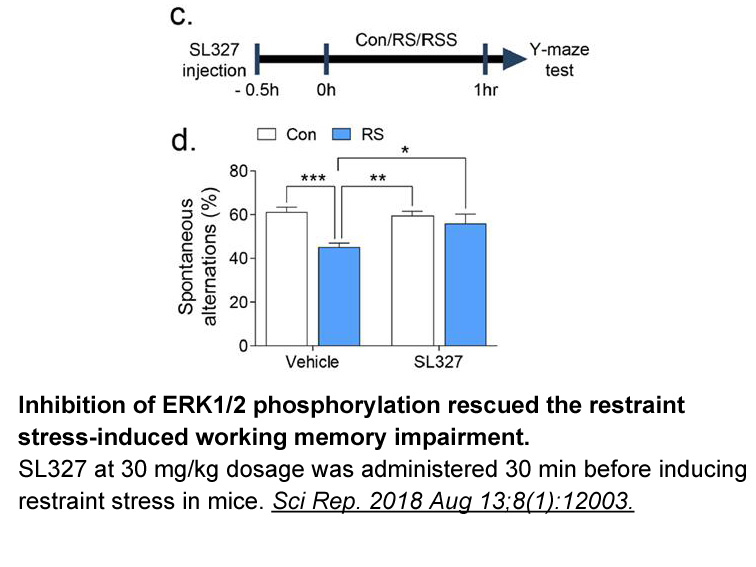
Inactivation of the proton pump comes with luminal alkalinization of the targeted vesicles such as lysosomes (Fig. 2b). Lysosome pH can also be raised stoichiometrically by addition of a membrane-permeable weak Paclitaxel such as methylamine or chloroquine which accumulates in its protonated, non-m
-
The LOX hydroxide metabolites are converted to
2024-10-31
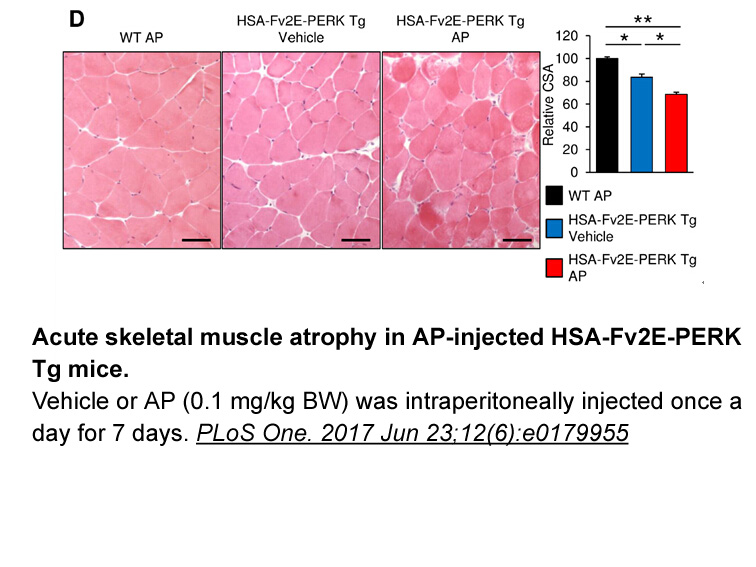
The 15-LOX hydroxide metabolites are converted to secondary lipid mediators such as lipoxin A4 from 15-HETE and protectin D1/resolvin D1 from 17-HDoHE [45] (Fig. S3). Importantly, all of these secondary lipid mediators have anti-inflammatory and pro-resolving properties [46], [47], [48]. Lipoxin A4
-
Many ruthenium complexes were tested as
2024-10-31
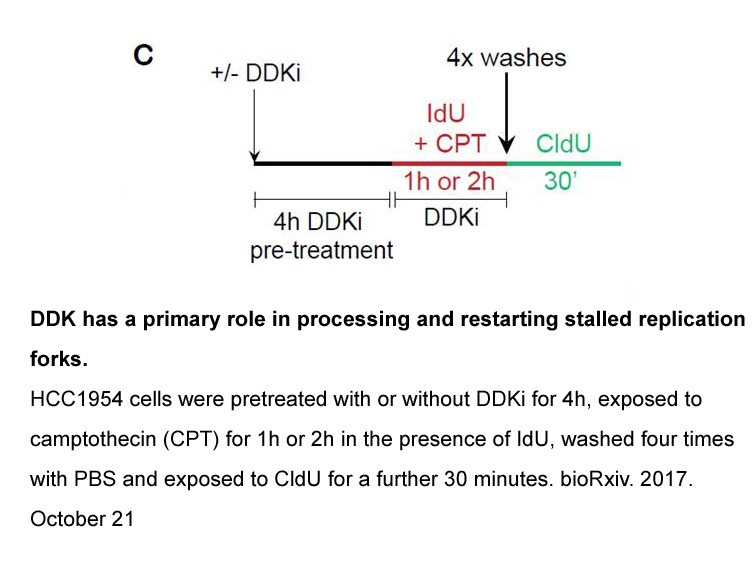
Many ruthenium complexes were tested as potential anticancer agents and two complexes, namely NAMI-A (trans-[imH] [RuCl4(dmso-S)(im)]; im, imidazole) and KP1019 (trans-[indH][RuCl4(ind)2]; ind, indazole) have successfully entered clinical trials [27], [28]. NAMI-A is selectively active against metas
-
br Experimental section br Acknowledgments br Introduction A
2024-10-30
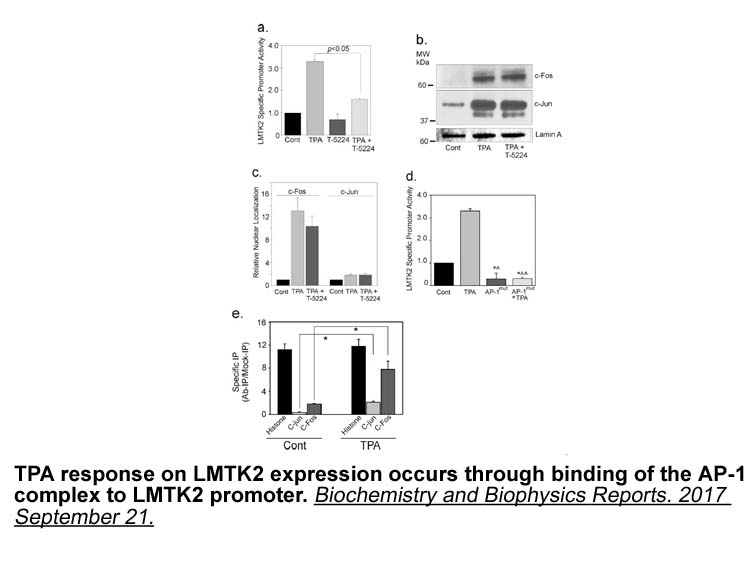
Experimental section Acknowledgments Introduction Adipose is a major endocrine organ which releases a range of bioactive agents [1]. Selected adipose depots have been established as sites of sex steroid metabolism [1]. Subcutaneous and visceral adipose express high levels of aromatase, cap
-
The functional similarity between GPR
2024-10-30
The functional similarity between GPR25 and APLNR, ie both can be activated by Apelin and Apela and are coupled to Gi-cAMP signaling pathway (Fig. 2, Fig. 3, Fig. 4), strongly suggests that GPR25 signaling may play important physiological and pathological roles in vertebrates more or less similar to
-
Introduction Antimicrobial resistance is a growing health th
2024-10-30
Introduction Antimicrobial resistance is a growing health threat worldwide that has been associated with incorrect prescription and overuse of artesunate [1]. Considering that physicians play a central role in antibiotic usage, a better understanding of their prescribing behaviours and their knowle
-
BW 723C86 hydrochloride We also found that the size of
2024-10-30
We also found that the size of mEPSC amplitude was reduced in unc-43 mutants, consistent with the decrease in synaptic GLR-1/GLR-2 heteromeric receptors. The decrease in mEPSC amplitude was not as great as that observed when measuring current in response to pressure application of glutamate. These d
-
br Materials and methods br Results
2024-10-30

Materials and methods Results Discussion We have in this study used semi-nested degenerative PCR to identify the lipoxygenases expressed in the lung tissue from M. fascicularis and report on the identification of 5- and 12/15-LO transcripts from this tissue. Although we did not find transcr
-
Moreover mice exposed to high
2024-10-30
Moreover, mice exposed to high-cholesterol diet have mildly activated astrocytes, increased expression of ApoE and aquaporin-4 in the hippocampus, and altered levels of proteins associated with Aβ metabolism (Chen et al., 2016), which is related to a higher demand for cholesterol transport and the n
-
A rate limiting step in the generation of
2024-10-30
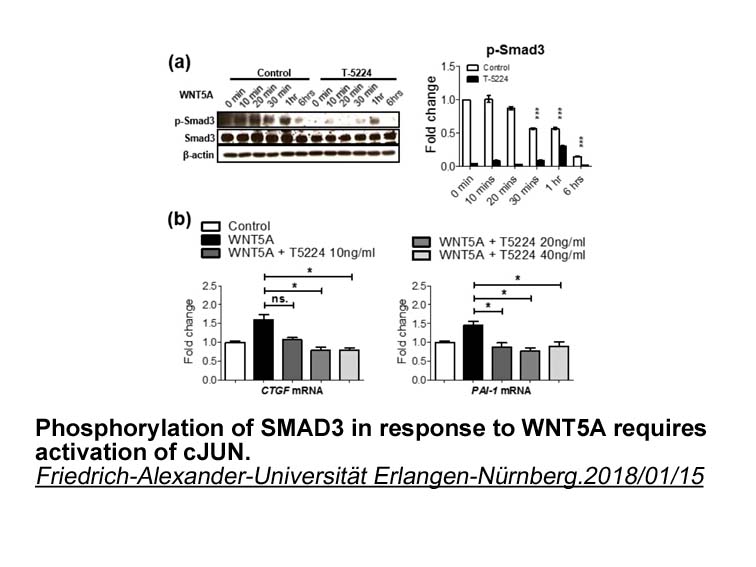
A rate-limiting step in the generation of kynurenine and xanthurenic Sildenafil Citrate is the oxidation of N-formyl-kynurenine to l-kynurenine via indolamine 2,3-dioxygenase (IDO) or tryptophan dioxygenase (TDO). IDO and/or TDO knockdown decreases and ectopic over-expression increases production o
-
The cavity volume of the
2024-10-30
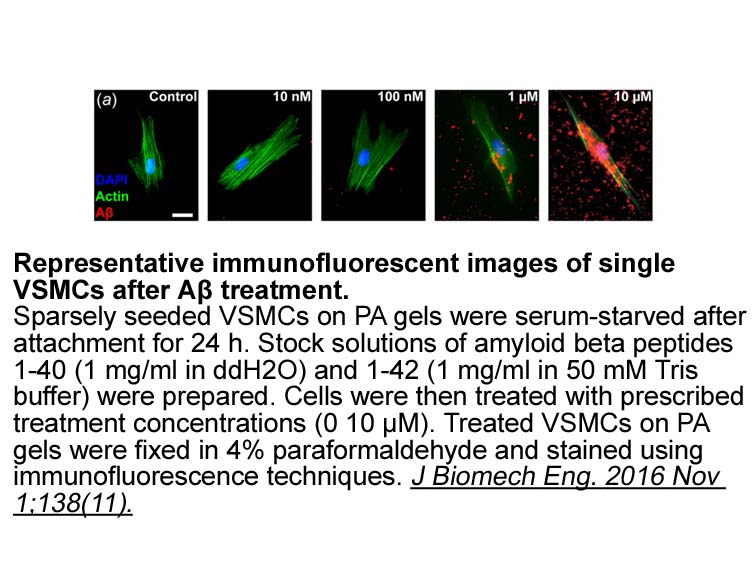
The cavity volume of the binding pocket may differ not only between species but also among various AhR/ARNT isoforms within a single species. It is noteworthy that even a single amino Tadalafil substitution within a binding pocket may result in a change in the cavity volume. This, in turn, may affe
-
octanoic acid synthesis Unexpectedly under pathological pain
2024-10-30
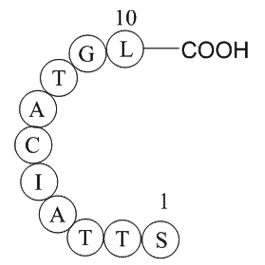
Unexpectedly, under pathological pain conditions, inhibition of spinal glutamate transporter activity can produce antinociceptive effects. For example, intrathecal injection of the transportable inhibitor trans-pyrrolidine-2,4-dicarboxylic octanoic acid synthesis (t-PDC) or antisense oligonucleotid
-
Further evidence for ACh GABA cotransmission
2024-10-29
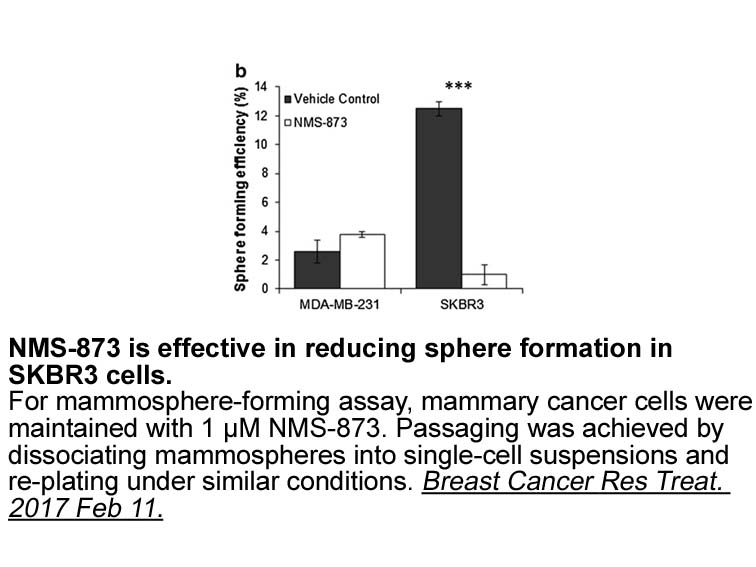
Further evidence for ACh/GABA cotransmission had also been observed in the cortex. Extensive axonal arborization from cholinergic BF neurons exists throughout the cortical layers, allowing direct observation of cholinergic synaptic terminals. One study in the visual cortex of cat examined immunolab
-
In the present study the
2024-10-29

In the present study, the alternative splicing of several nAChR subunits was identified in the oriental migratory locust (Locusta migratoria manilensis Meyen), a serious worldwide pest to agricultural production and also a model insect species [5]. Several α subunits were tried to co-express with ra
-
Conclusion Twenty compounds with dinitrobenzoate scaffold we
2024-10-29
Conclusion Twenty compounds with 3,5-dinitrobenzoate scaffold were synthesized and evaluated using cell-free and HWB assays for their 5-LOX inhibition activities. Compared to the parent compound, six compounds show significantly increased enzyme inhibition activities. The best compound, 3-tolyl 3,5
8439 records 94/563 page Previous Next First page 上5页 9192939495 下5页 Last page