Archives
- 2026-02
- 2026-01
- 2025-12
- 2025-11
- 2025-10
- 2025-09
- 2025-03
- 2025-02
- 2025-01
- 2024-12
- 2024-11
- 2024-10
- 2024-09
- 2024-08
- 2024-07
- 2024-06
- 2024-05
- 2024-04
- 2024-03
- 2024-02
- 2024-01
- 2023-12
- 2023-11
- 2023-10
- 2023-09
- 2023-08
- 2023-07
- 2023-06
- 2023-05
- 2023-04
- 2023-03
- 2023-02
- 2023-01
- 2022-12
- 2022-11
- 2022-10
- 2022-09
- 2022-08
- 2022-07
- 2022-06
- 2022-05
- 2022-04
- 2022-03
- 2022-02
- 2022-01
- 2021-12
- 2021-11
- 2021-10
- 2021-09
- 2021-08
- 2021-07
- 2021-06
- 2021-05
- 2021-04
- 2021-03
- 2021-02
- 2021-01
- 2020-12
- 2020-11
- 2020-10
- 2020-09
- 2020-08
- 2020-07
- 2020-06
- 2020-05
- 2020-04
- 2020-03
- 2020-02
- 2020-01
- 2019-12
- 2019-11
- 2019-10
- 2019-09
- 2019-08
- 2019-07
- 2019-06
- 2019-05
- 2019-04
- 2018-11
- 2018-10
- 2018-07
-
Nitric oxide NO is synthesized by conversion of the l
2020-05-12
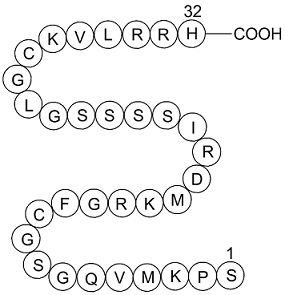
Nitric oxide (NO) is synthesized by conversion of the l-arginine to NO and l-citrulline through reaction which is catalyzed by nitric oxide synthetase (NOS) (Knowles and Moncada, 1994). NO as an important molecule not only play a role as second messenger but also binds to cytochrome c oxidase and de
-
We examined the function of immobilised THPs by seeding cell
2020-05-12
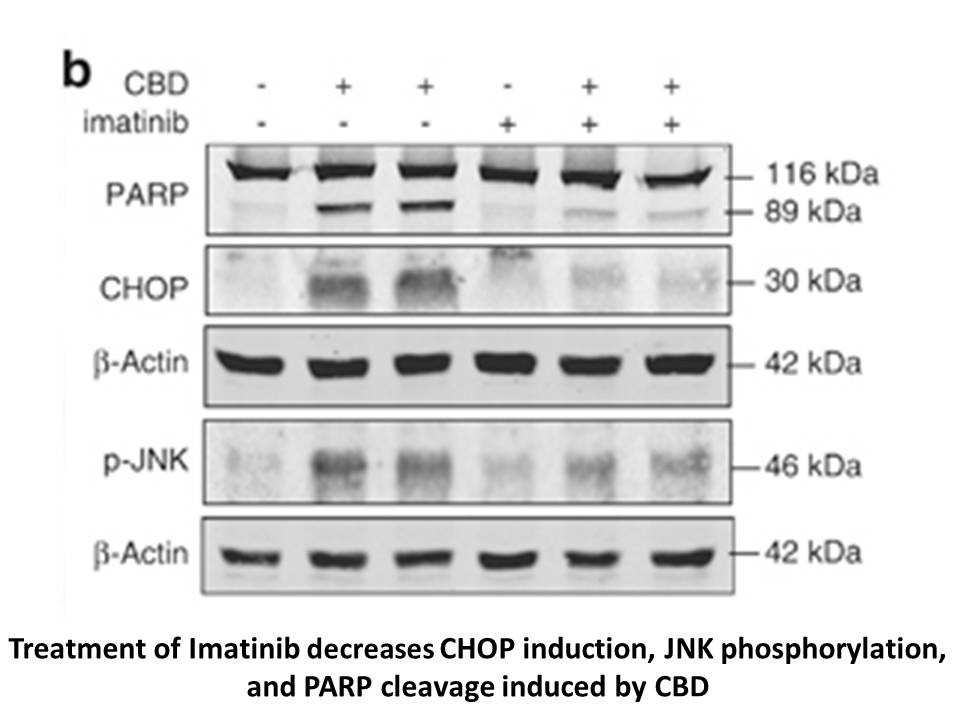
We examined the function of immobilised THPs by seeding cells transfected with DDR2-Flag on derivatised crosslinked collagen films, then detecting the phosphorylation of tyrosine 740 (Y740) on the intracellular domain of DDR2 [50]. This regulatory residue is a target for the intracellular tyrosine k
-
There exists a glucose residue in
2020-05-12
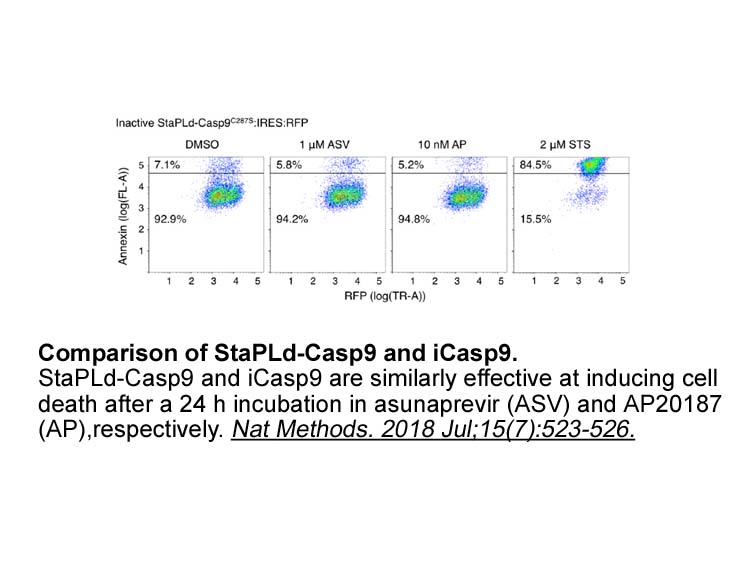
There exists a glucose residue in the structure of 5. Acid hydrolysis (Supplementary data) followed by TLC comparison with the reference compound as well as GC–MS analysis (l-cysteine methyl ester hydrochloride derivative: tR=22.22min for glucose residue of 5 and 22.46min for the reference compound)
-
Carmofur The evaluation of internal exposure in
2020-05-12
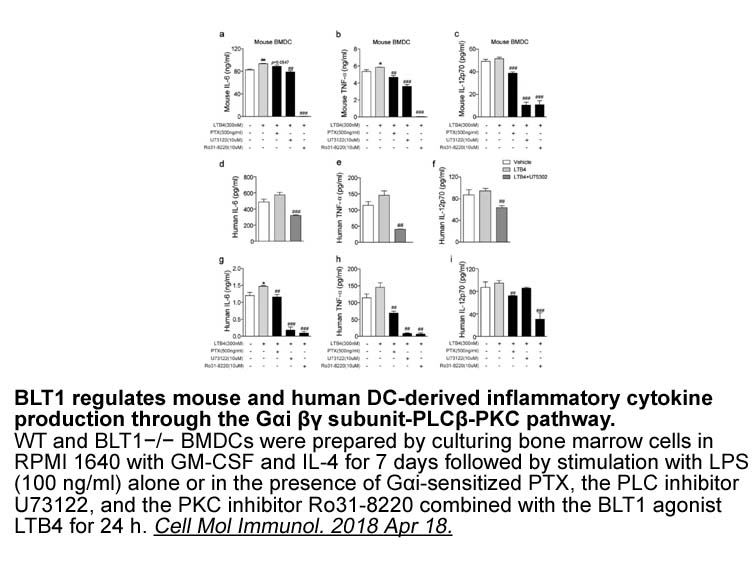
The evaluation of internal exposure in workers with omethoate is challenging. Unfortunately, OPs are metabolized and excreted quickly in the urine usually within 24–48 h of exposure, and the variation in metabolic rates exists. Many factors influence daily urinary output, such as salt intake, urea a
-
AG-1024 mg Early studies from the mollusk Aplysia reported t
2020-05-12
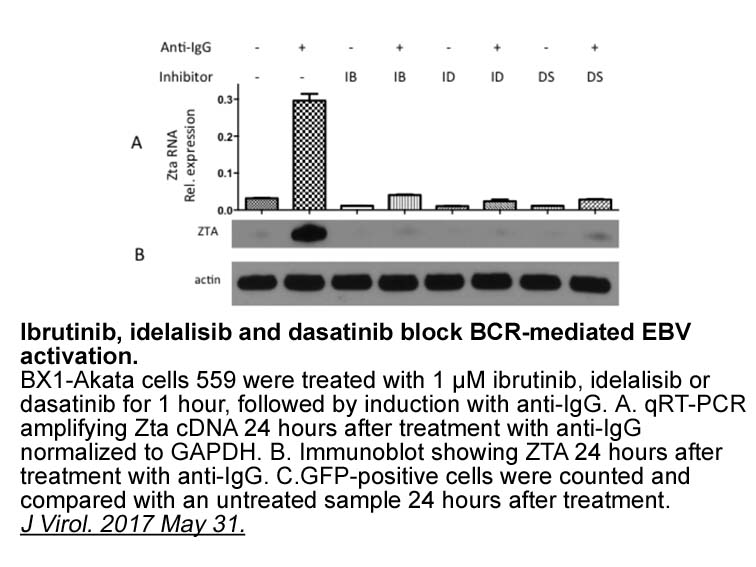
Early studies from the mollusk, Aplysia, reported the presence of a unique class of AG-1024 mg receptors in neurons, the acetylcholine-gated chloride channels (ACCs) (Kehoe and McIntosh, 1998). Later, studies identified these receptors in the model nematode Caenorhabditis elegans (Putrenko et al.,
-
br Results and discussion br Conclusions In conclusion we ha
2020-05-12
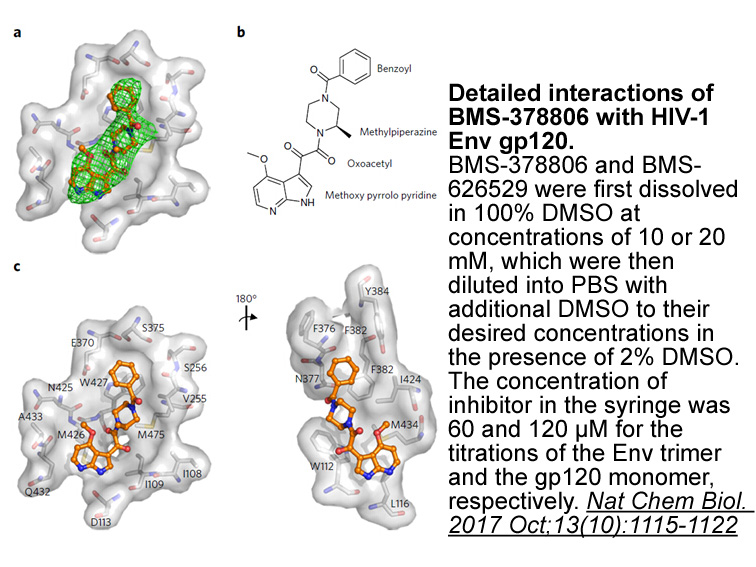
Results and discussion Conclusions In conclusion, we have developed rational strategies that allowed us to successfully identify a series of novel analogs structurally related to to modulate the activity of estrogen-related receptors (ERRγ and ERRβ), which are constitutively active. All of th
-
The transcription factor CREB has been extensively
2020-05-12
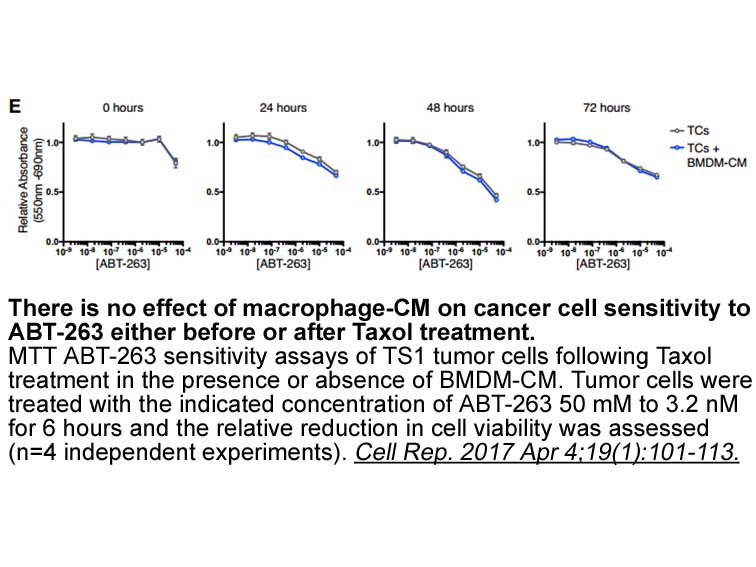
The transcription factor CREB has been extensively studied for its role in hippocampus-dependent learning and memory (West et al., 2002, Lonze and Ginty, 2002). Previous research has demonstrated that the phosphorylation of CREB at Ser133, performed by the ERK1/2 signaling pathway, initiates a casca
-
GPR also known as EBI is a G i coupled
2020-05-12
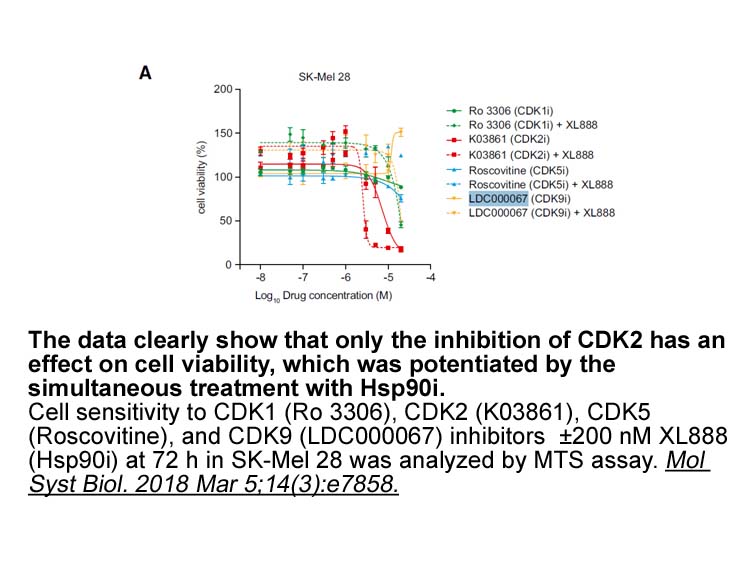
GPR183 (also known as EBI2) is a Gαi-coupled seven-transmembrane chemotactic receptor. It is highly expressed on follicular B cells, CD4+ dendritic cells (DCs), and CD4+ T cells but is downregulated on germinal center (GC) fluorescent probes in secondary lymphoid organs and controls cell migration
-
rgd peptide australia Increased levels of PCNA monoubiquitin
2020-05-12

Increased levels of PCNA monoubiquitination by UbL73P expression in a damage-independent manner mimics the phenotype observed for USP1 knockdown (Huang et al., 2006, Jones et al., 2012). USP1 is the only DUB to date shown to remove ubiquitin from PCNA in vivo. This finding reveals the highly dynamic
-
Though the physiological roles of microglia derived elastase
2020-05-11

Though the physiological roles of microglia-derived elastases in the CNS are not well understood, their involvement in the metabolism of cholecystokinin [41] and in the processing of plasminogen to produce a low molecular weight plasminogen that enhances neurite outgrowth has been reported [38]. Exp
-
In conclusion we demonstrate that infection
2020-05-11
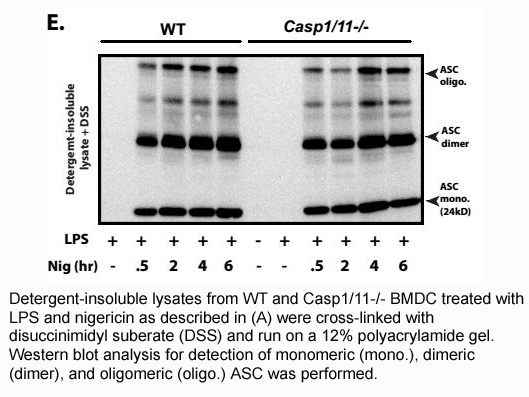
In conclusion we demonstrate that infection of salmon cells with ISAV induce the main branches of the cellular UPR machinery, but also one of its main negative regulators, GADD34. This is probably important for maintaining translation of interferon and interferon stimulated genes (ISGs), keeping ISA
-
E ubiquitin ligases are key players in the ubiquitin
2020-05-11

E3 ubiquitin ligases are key players in the ubiquitin-proteasome pathway because they catalyse ubiquitination of substrate proteins.39, 40, 41 As important regulators of cellular ubiquitination, E3 ligases are emerging as attractive drug targets, particularly in cancer.42, 43, 44 However, E3 ligases
-
Mono and bi ubiquitination of two lysines
2020-05-11
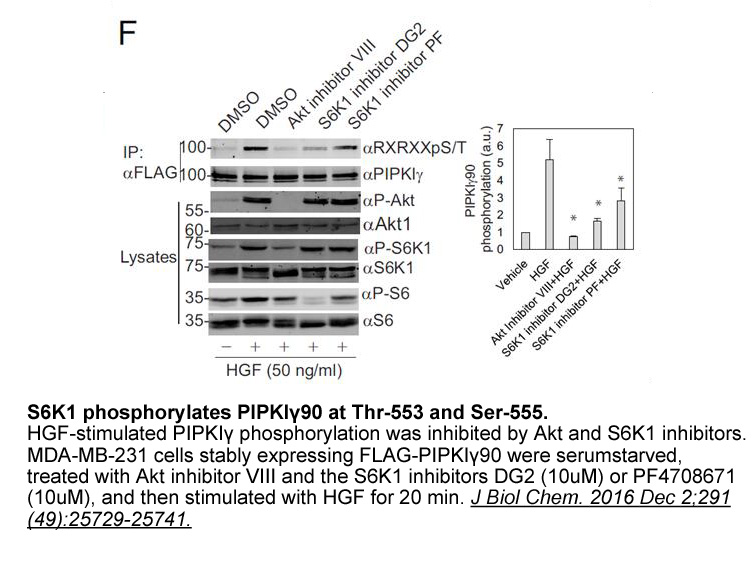
Mono- and bi-ubiquitination of two lysines, namely K70 and K76, in a small fraction of p33 replication co-factor has been demonstrated in yeast (Barajas and Nagy, 2010, Li et al., 2008). Because mutations of these lysines reduced TBSV repRNA replication in yeast and affected the ability of p33 to in
-
The absence of the LIG gene in yeasts has prevented
2020-05-11
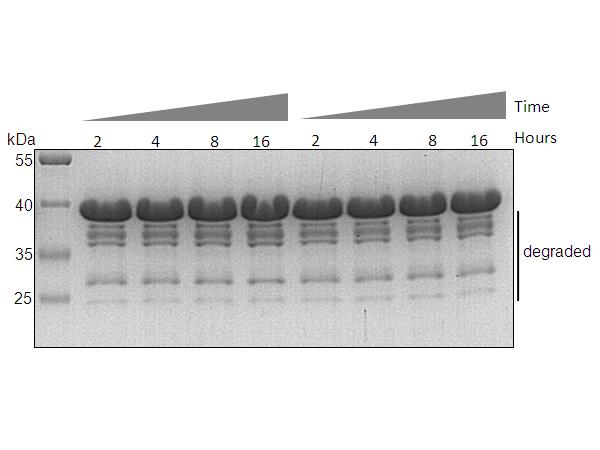
The absence of the LIG3 gene in yeasts has prevented the use of genetically tractable lower eukaryotes, such as Saccharomyces cerevisiae and Schizosaccharomyces pombe, as models to gain insights into the cellular functions of and interplay between the DNA ligases encoded by the LIG1, LIG3 and LIG4 g
-
The most significant source of DAG
2020-05-11
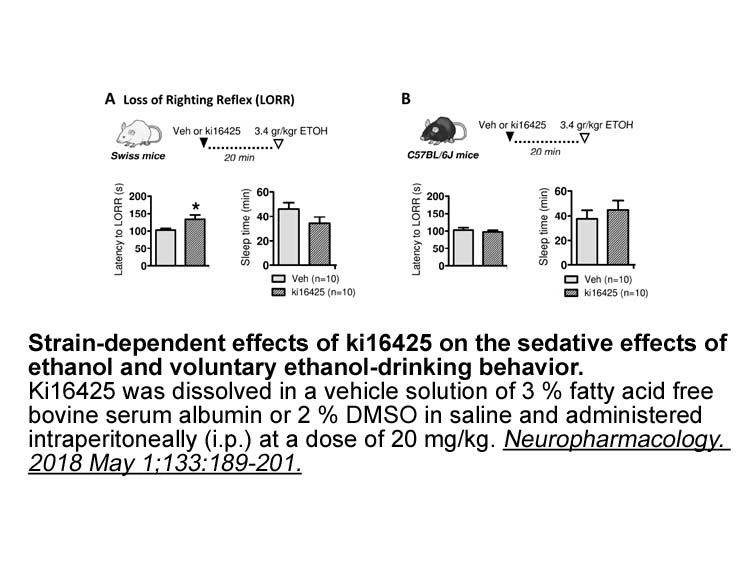
The most significant source of DAG originates from the PLC family of enzymes, which produces DAG in an agonist-regulated reaction. PLCs constitute a wide family of enzymes acting on both phosphatidilinositols (PI) and phosphatidilcoline (PC) (Li et al., 2010) in the plasma membrane and other intrace
16506 records 874/1101 page Previous Next First page 上5页 871872873874875 下5页 Last page