Archives
- 2026-06
- 2026-05
- 2026-04
- 2026-03
- 2026-02
- 2026-01
- 2025-12
- 2025-11
- 2025-10
- 2025-09
- 2025-03
- 2025-02
- 2025-01
- 2024-12
- 2024-11
- 2024-10
- 2024-09
- 2024-08
- 2024-07
- 2024-06
- 2024-05
- 2024-04
- 2024-03
- 2024-02
- 2024-01
- 2023-12
- 2023-11
- 2023-10
- 2023-09
- 2023-08
- 2023-07
- 2023-06
- 2023-05
- 2023-04
- 2023-03
- 2023-02
- 2023-01
- 2022-12
- 2022-11
- 2022-10
- 2022-09
- 2022-08
- 2022-07
- 2022-06
- 2022-05
- 2022-04
- 2022-03
- 2022-02
- 2022-01
- 2021-12
- 2021-11
- 2021-10
- 2021-09
- 2021-08
- 2021-07
- 2021-06
- 2021-05
- 2021-04
- 2021-03
- 2021-02
- 2021-01
- 2020-12
- 2020-11
- 2020-10
- 2020-09
- 2020-08
- 2020-07
- 2020-06
- 2020-05
- 2020-04
- 2020-03
- 2020-02
- 2020-01
- 2019-12
- 2019-11
- 2019-10
- 2019-09
- 2019-08
- 2019-07
- 2019-06
- 2019-05
- 2019-04
- 2018-11
- 2018-10
- 2018-07
-
br HMGB proteins and chromatin
2023-03-01
HMGB proteins and chromatin structure The multifaceted roles played by HMGB (formerly called HMG-1 and -2) proteins in modulating chromatin structure, gene transcriptional activity and cellular phenotype have been covered in a number of recent reviews and readers are referred to these for in-dept
-
br Concluding remarks and future perspectives While the
2023-03-01
Concluding remarks and future perspectives While the rational engineering of protein-based switches has yet to be fully developed, emerging empirical rules facilitate the construction of tailor-engineered coelenterazine with custom input and output parameters. Both in the context of molecular dia
-
In a missense mutation at codon of the PRNP
2023-03-01
In 1989, a missense mutation at codon 102 of the PRNP gene was first reported to be associated with GSS and, in 1991, the same mutation was also found in affected members of the “H” family (Hsiao et al., 1989; Kretzschmar et al., 1991). By 1995, the pedigree of the “H” family included 221 family mem
-
br Conclusions and perspectives In view of the evidences
2023-03-01
Conclusions and perspectives In view of the evidences supporting that Balaglitazone MAS receptors mediate the effects of AT1 antagonists (Iwai et al., 2012, Ohshima et al., 2014, Pernomian et al., 2015, Schuchard et al., 2015), the prime targets from the perspectives on future directions in the i
-
Dose Response Studies Against Puromycin Sensitive
2023-03-01
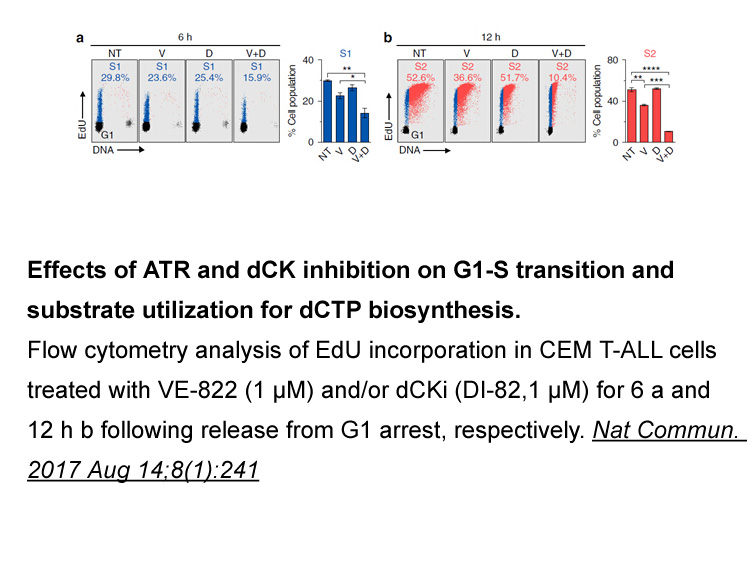
Dose–Response Studies Against Puromycin–Sensitive Aminopeptidase (PSA). PSA is a ubiquitous metallopeptidase encoded by the NPEPPS gene with subcellular distribution in the cytosol and nucleus [49]. Comprising of a 919 amino diltiazem hcl receptor sequence, it has a broad substrate specificity, and
-
Some of the mechanisms that involve LOX as a
2023-03-01
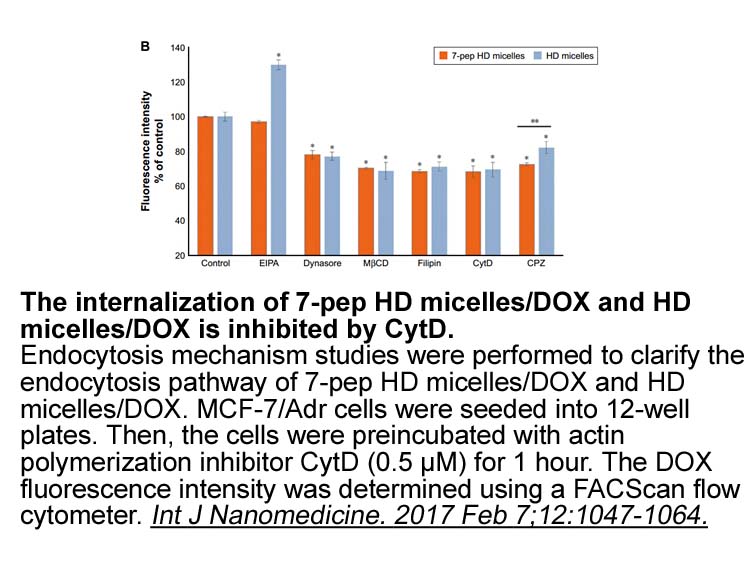
Some of the mechanisms that involve 12-LOX as a potential pathogenic enzyme are illustrated in Fig. 2. Direct β cell effects associated with the stimulation of 12-LOX activity include the activation of second messengers c-Jun N-terminal kinase and p38 MAPK, both of which show increased phosphorylati
-
So far many independent studies have
2023-03-01
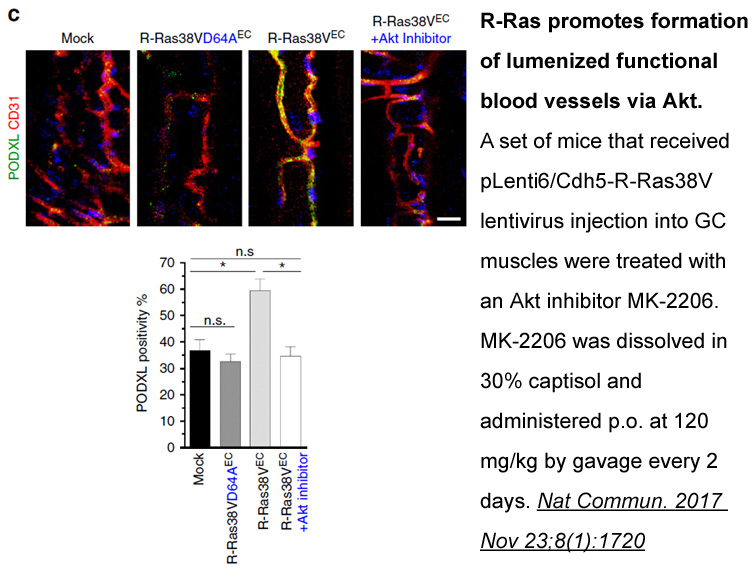
So far, many independent studies have linked cholesterol metabolism–related genes with AD, either by showing associations with specific polymorphisms or with differential cetp inhibitor levels (Beecham et al., 2014, Blain and Poirier, 2004, Lambert et al., 2009, Lambert et al., 2013, Leduc et al.,
-
Extracellular ATP and downstream purinergic signaling have a
2023-03-01
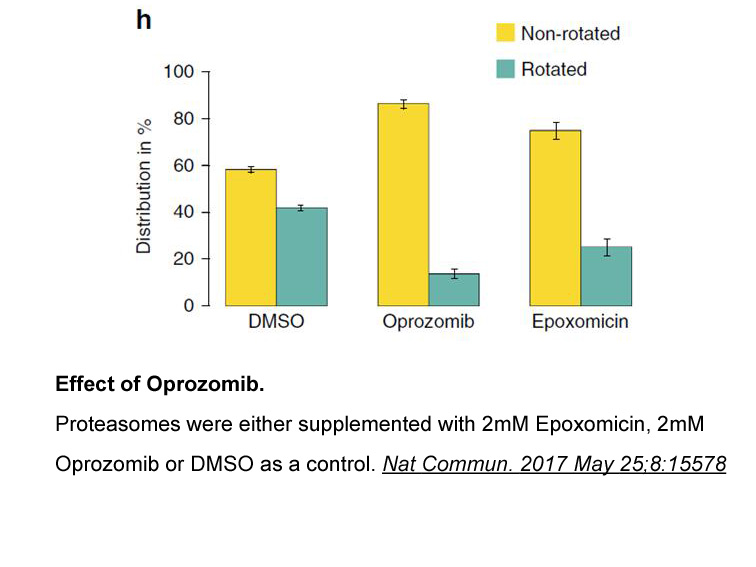
Extracellular ATP and downstream purinergic signaling have also been proposed to contribute to dental pulp tissue healing and dentin regeneration. Mechanical and thermal stimulation of external dentin can induce ATP release in dental pulp through pannexins [13]. Cold stimulation was also reported to
-
This study does have several
2023-03-01
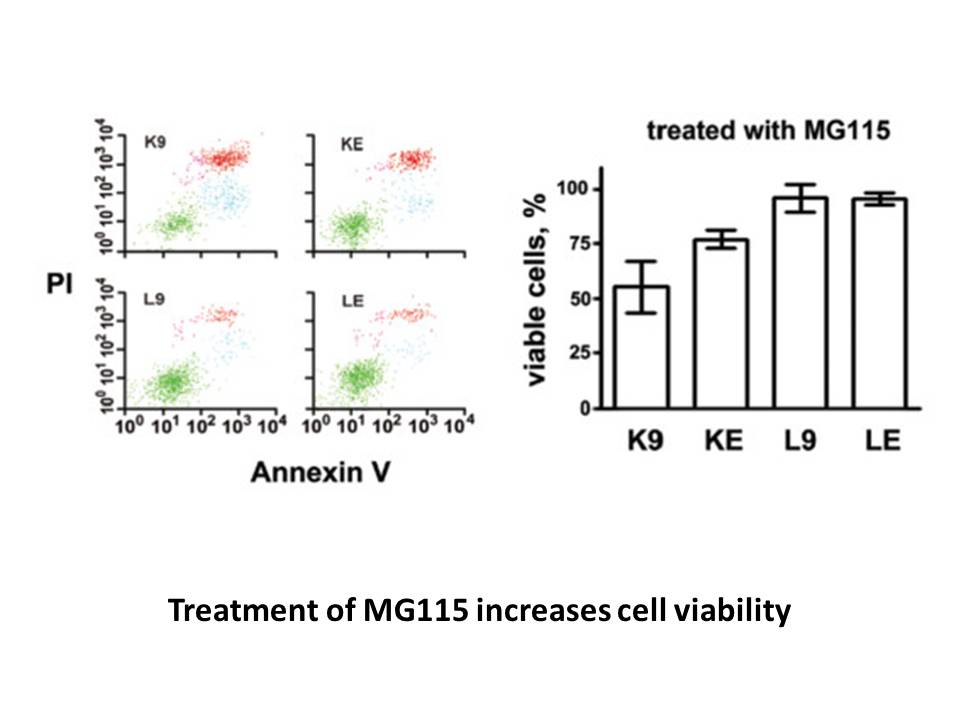
This study does have several limitations, mainly related to the DMSO vehicle. While DMSO is a known anti-inflammatory mediator,5, 12 it has been shown to upregulate ALOX5, which was not seen in this study (as we are likely underpowered to detect this difference). A manifestation of this anti-inflamm
-
br Conclusion To conclude it would be fair
2023-03-01
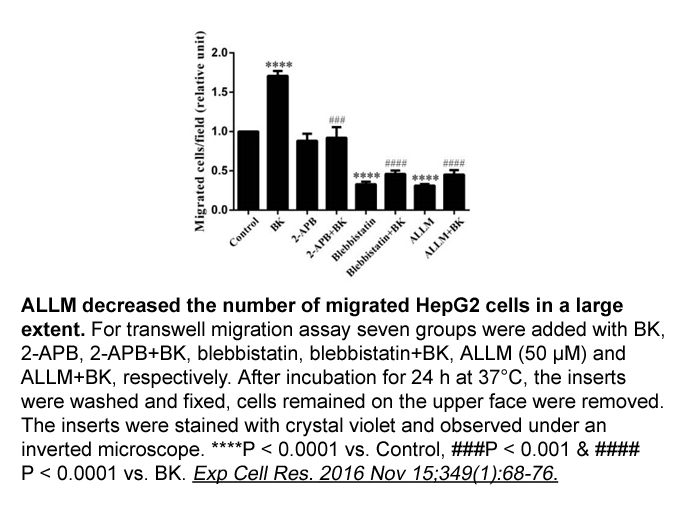
Conclusion To conclude, it would be fair to say that the research efforts on FLAP inhibitors for intervening with LT biosynthesis have reached to a considerably advanced state during the last decade as a result of growing interest from both pharmaceutical industry and academia [4], [37], [38]. Du
-
TLRs play a key role in pathogen recognition
2023-02-25
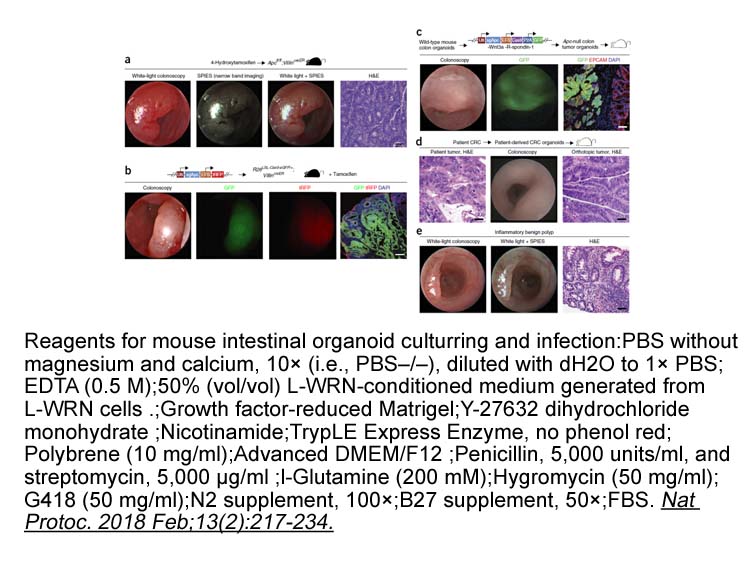
TLRs play a key role in pathogen recognition and early response. In our study, we showed an increase of TLR2 mRNA and protein expression after BMECs were stimulated by S. aureus, as seen for BMECs in a previous study [25]. Although most studies describe TLR4 as a primary receptor for Gram-negative b
-
(-)-Bicuculline methobromide Phenolic compounds show recipro
2023-02-25
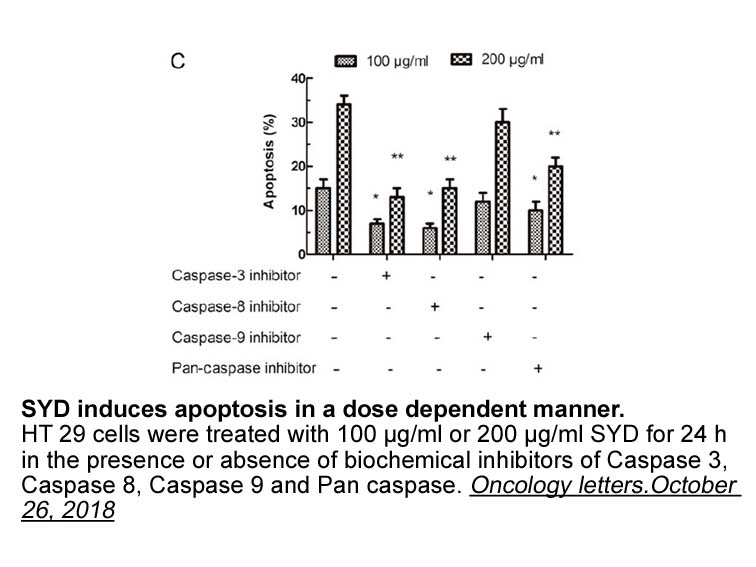
Phenolic compounds show reciprocal relationship with colonic microflora. Phenolic compounds are able to improve colonic health and modulate microbiota diversity with prebiotic and antimicrobial functions, while colonic bacterial enzymes catalyze deconjugation, dehydroxylation, and convert phenolic c
-
br Acknowledgments br Introduction Alzheimer s disease AD
2023-02-25
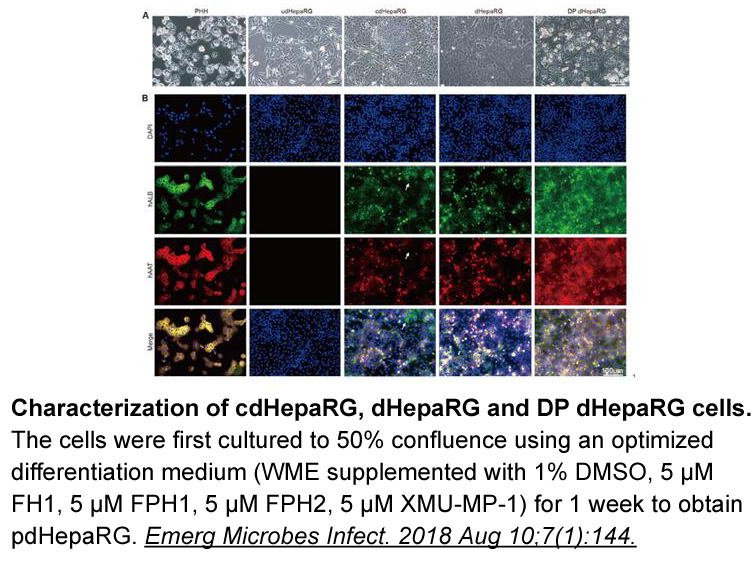
Acknowledgments Introduction Alzheimer's disease (AD) is a severe neurodegenerative disorder primarily affecting the elderly population. Senile plaques in the brain, one of the pathological hallmarks of AD, are formed by the accumulation of aggregated β-amyloid (Aβ) with an extensive β-sheet s
-
br Conclusions br Material and
2023-02-25
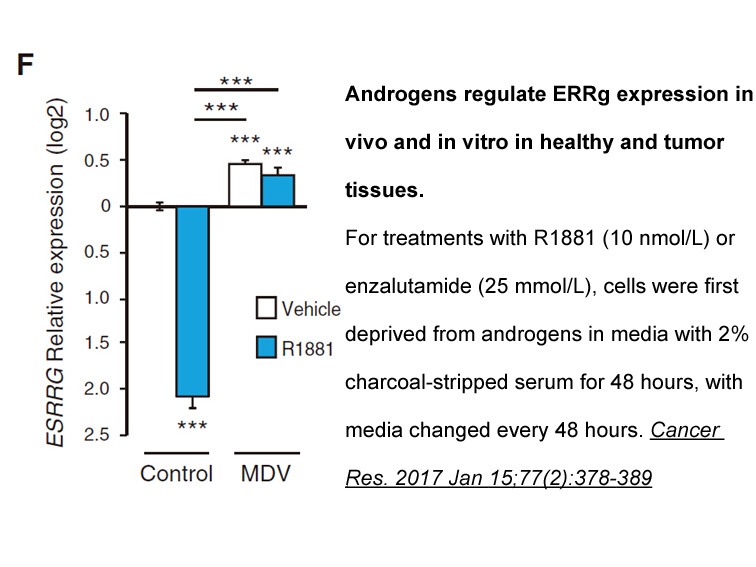
Conclusions Material and methods Conflicts of interest Acknowledgements Introduction Currently more than 30 human proteins are implicated in a range of degenerative disorders owing to their misfolding and misassembly into various aggregate structures and leading to at least 20 serious
-
There are several reports providing evidences
2023-02-25
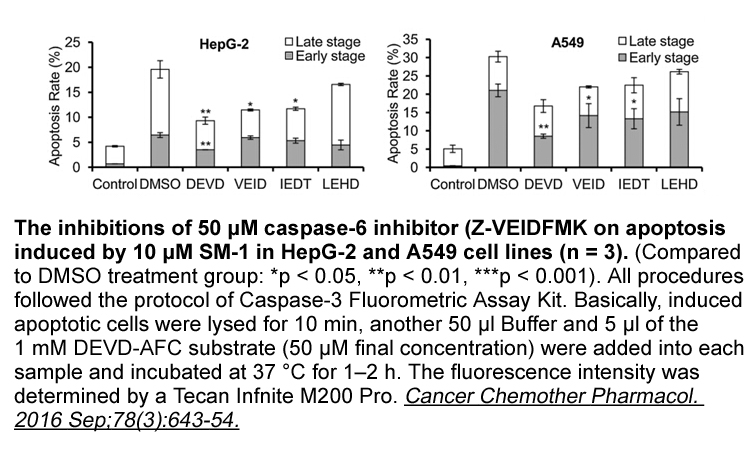
There are several reports providing evidences that functional and mechanistic connection between Sirt1 and LKB1/AMPK in metabolic regulation [26], [32], [33]. It has been reported that the deacetylation of LKB1 by Sirt1 is one of the determining factors of the subcellular localization of LKB1. In ag
16714 records 374/1115 page Previous Next First page 上5页 371372373374375 下5页 Last page