Archives
- 2026-06
- 2026-05
- 2026-04
- 2026-03
- 2026-02
- 2026-01
- 2025-12
- 2025-11
- 2025-10
- 2025-09
- 2025-03
- 2025-02
- 2025-01
- 2024-12
- 2024-11
- 2024-10
- 2024-09
- 2024-08
- 2024-07
- 2024-06
- 2024-05
- 2024-04
- 2024-03
- 2024-02
- 2024-01
- 2023-12
- 2023-11
- 2023-10
- 2023-09
- 2023-08
- 2023-07
- 2023-06
- 2023-05
- 2023-04
- 2023-03
- 2023-02
- 2023-01
- 2022-12
- 2022-11
- 2022-10
- 2022-09
- 2022-08
- 2022-07
- 2022-06
- 2022-05
- 2022-04
- 2022-03
- 2022-02
- 2022-01
- 2021-12
- 2021-11
- 2021-10
- 2021-09
- 2021-08
- 2021-07
- 2021-06
- 2021-05
- 2021-04
- 2021-03
- 2021-02
- 2021-01
- 2020-12
- 2020-11
- 2020-10
- 2020-09
- 2020-08
- 2020-07
- 2020-06
- 2020-05
- 2020-04
- 2020-03
- 2020-02
- 2020-01
- 2019-12
- 2019-11
- 2019-10
- 2019-09
- 2019-08
- 2019-07
- 2019-06
- 2019-05
- 2019-04
- 2018-11
- 2018-10
- 2018-07
-
We have recently begun to
2024-02-09
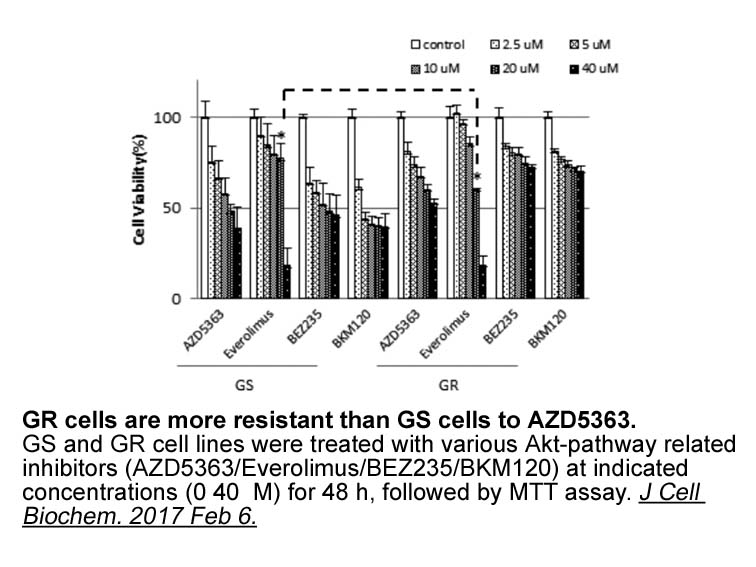
We have recently begun to demonstrate this concept by reporting a novel class of β-hairpin peptidomimetics, built on a piperidine-pyrrolidine semi-rigid β-turn inducer [12] and bearing two recognition pentapeptide sequences, designed on oligomeric and fibril structures of Aβ1-42 (compound 1, Fig. 1)
-
In conclusion we demonstrated that in
2024-02-09
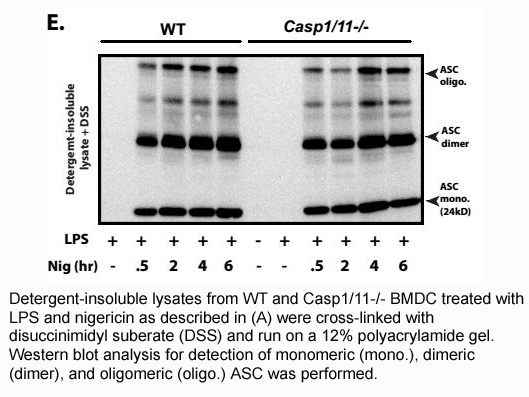
In conclusion, we demonstrated that, in the skeletal muscle of rats with T1DM, CRBN levels increased and AMPK, Akt, GLUT4, PGC-1α, and FNDC5 levels decreased, resulting in increased fasting glucose levels. Aerobic exercise training decreased levels of CRBN, which was possibly mediated by AMPK, Akt,
-
Furthermore stress hormones can indirectly induce DNA
2024-02-09
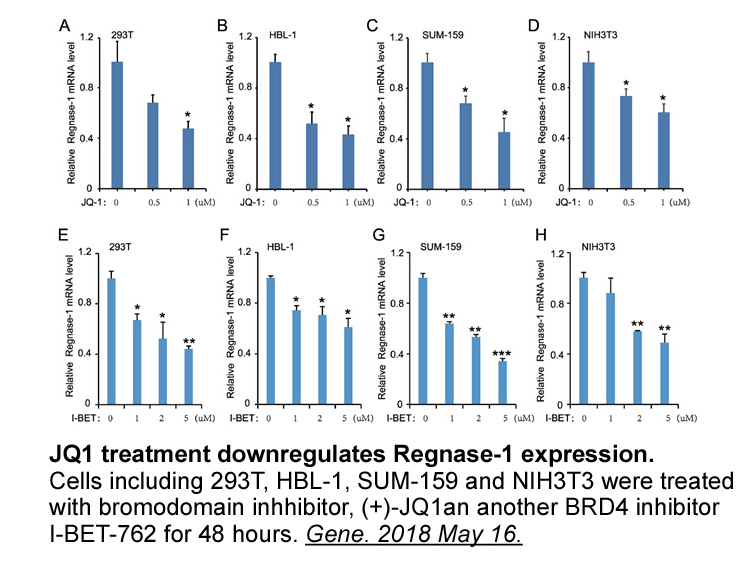
Furthermore, stress hormones can indirectly induce DNA damage, for example by altering DNA repair and transcriptional regulation of the cell cycle. It has been found that stress hormones induce the up-regulation of checkpoint kinase 1 (Chk1) and checkpoint kinase 2 (Chk2) and proto-oncogene cell div
-
br Author contributions br Acknowledgements
2024-02-09

Author contributions Acknowledgements We thank Dr. Bob Hammer and the Transgenic Core Facility at UTSW for the generation of the transgenic lines, John Shelton and the Histology Core for assistance with histology and the UTSW Metabolic Core Unit for help in phenotyping. We acknowledge support
-
In addition we performed Western blot analysis of
2024-02-09
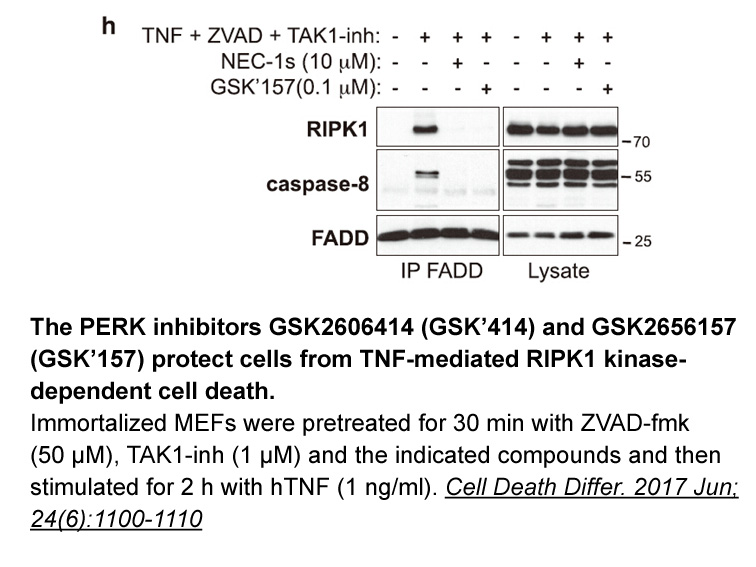
In addition, we performed Western-blot analysis of different areas of mouse brain with Isochlorogenic acid C against mAck1 (Ureña et al., 2005). The data obtained showed a high rate of expression in neocortex, hippocampus, cerebellum, and brainstem (Fig. 4). More moderate levels of expression were
-
In summary this study reveals that the stability of rapsyn
2024-02-09
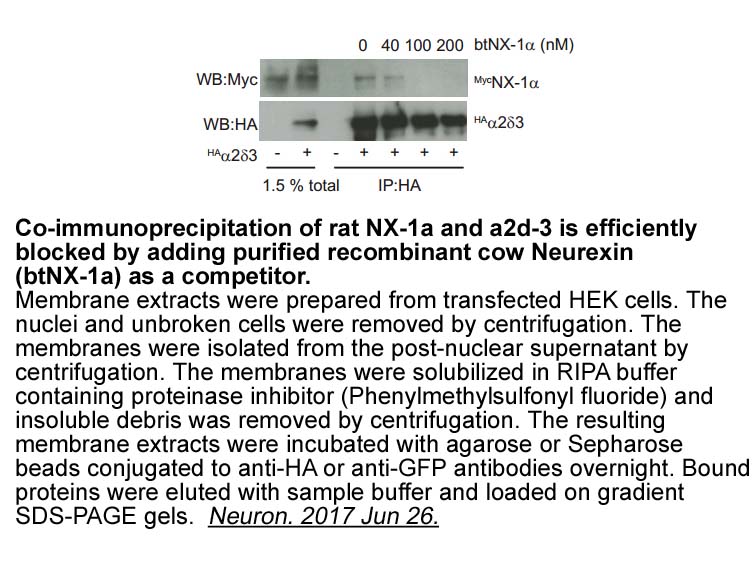
In summary, this study reveals that the stability of rapsyn is critically dependent on HSP90β, highlighting a novel function of HSP90β in NMJ formation and maintenance. It also identifies a mechanism in agrin signaling for AChR clustering, i.e., by upregulating the interaction between HSP90β and rap
-
The cellular mechanism underlying the
2024-02-09
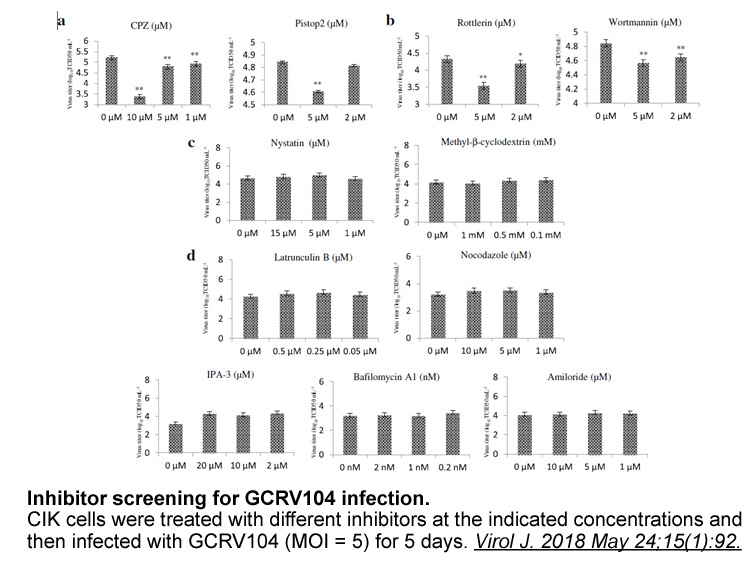
The cellular mechanism underlying the CGS12066-mediated inhibition of glutamate release from hippocampal nerve terminals through presynaptic 5-HT1B receptors remains to be elucidated. 5-HT1B receptors are coupled to PTX-sensitive G proteins (Gi or Go) that have been shown to inhibit AC activity as w
-
Fourth non canonical sites may be targeted Classical benzodi
2024-02-09
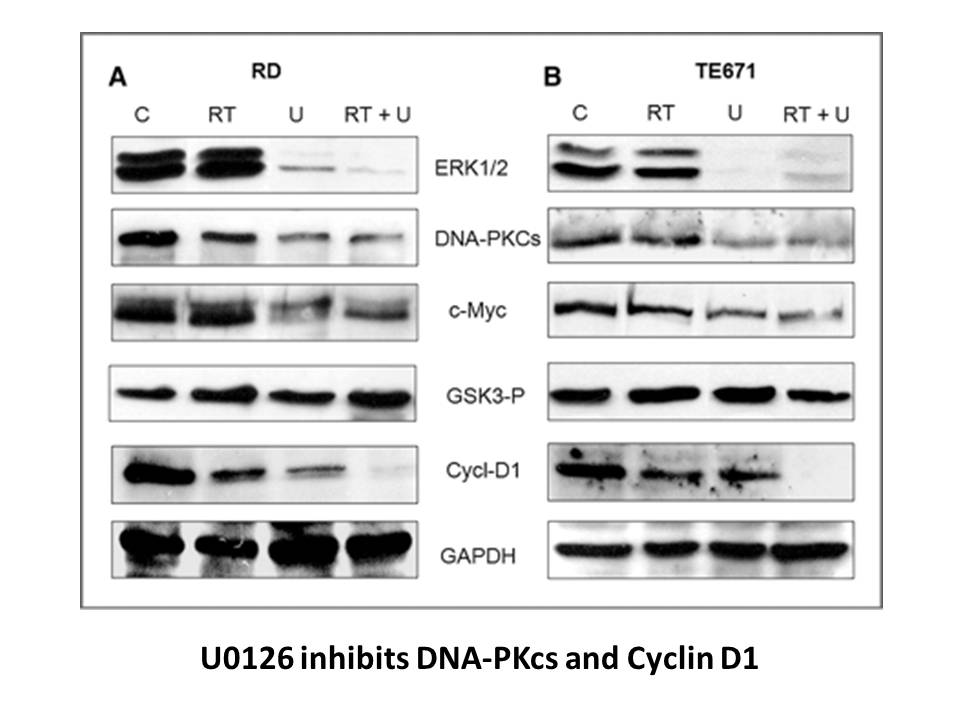
Fourth, non-canonical sites may be targeted. Classical benzodiazepines require the presence of a γ subunit for high-affinity binding, which limits their activity to a specific large pool of receptor isoforms, leaving other isoforms unaffected. In particular, δ subunit-containing receptors, as well a
-
ARG I is one of the
2024-02-07
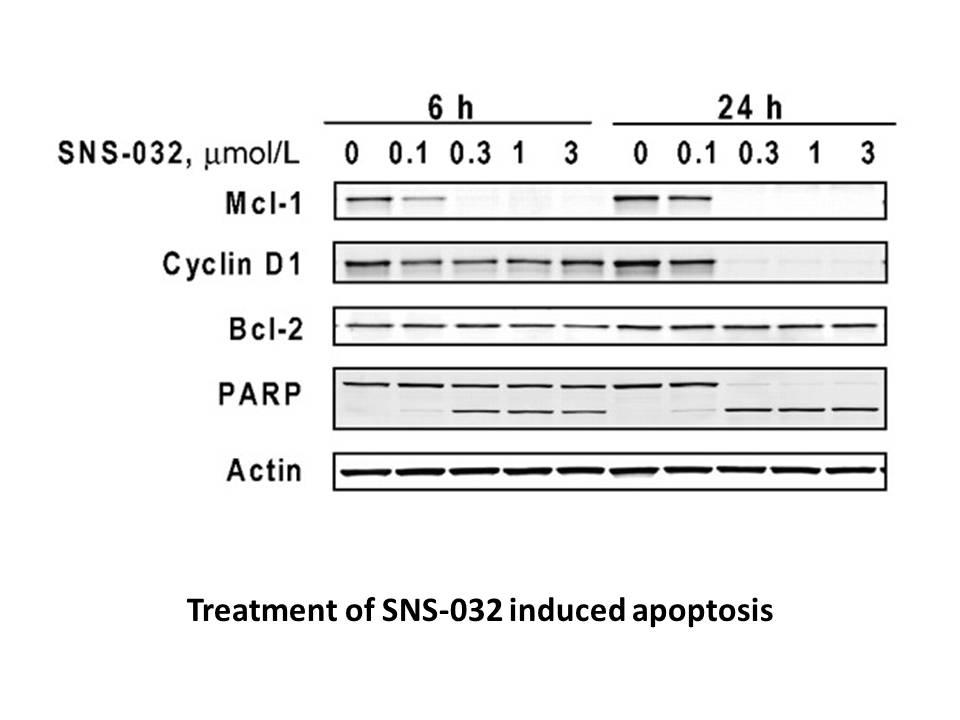
ARG I is one of the most important mammalian enzymes responsible for nitrogen metabolism since it comprises the main route for the elimination of excess nitrogen resulting from amino SB273005 and nucleotide metabolism [18]. ARG I deficiency leads to hyperargininemia, characterized by progressive ne
-
It is reported that calpain plays a critical
2024-02-07
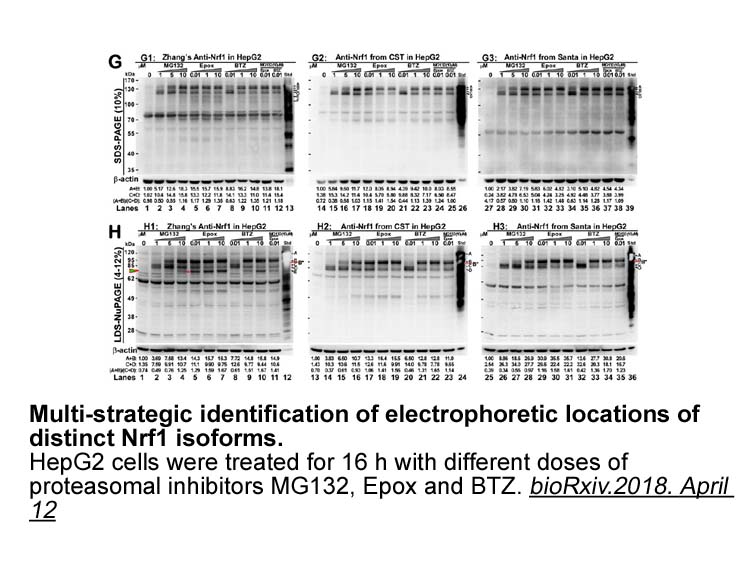
It is reported that calpain-2 plays a critical role in BDNF-induced signaling and memory formation, and knockdown of calpain-2, but not calpain-1, completely suppresses BDNF-induced pathway activation and protein translation (Briz et al., 2013). BDNF prevents neuronal apoptosis or death (Ferrer et a
-
Once apoptosis has been initiated the
2024-02-07
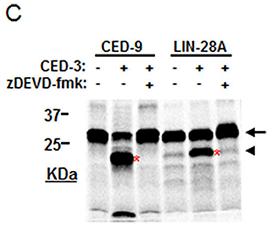
Once apoptosis has been initiated the HMGA proteins themselves undergo marked changes in both the types and extent of their post-translational modifications (PTMs; review in [149,175]), some of which are likely correlated with alterations in chromatin structure. For example, the early stages of apop
-
br Under normal physiological conditions the agonist
2024-02-07

Under normal physiological conditions, the agonist binds to AT1R on the surface of the plasma membrane and activates the receptor, mediating downstream signaling. Then, activated AT1R is phosphorylated by protein kinase C (PKC) [13] or G protein coupled receptor kinases (GPKs, such as GRK2 [13], G
-
br Materials and methods br Results br Discussion
2024-02-07
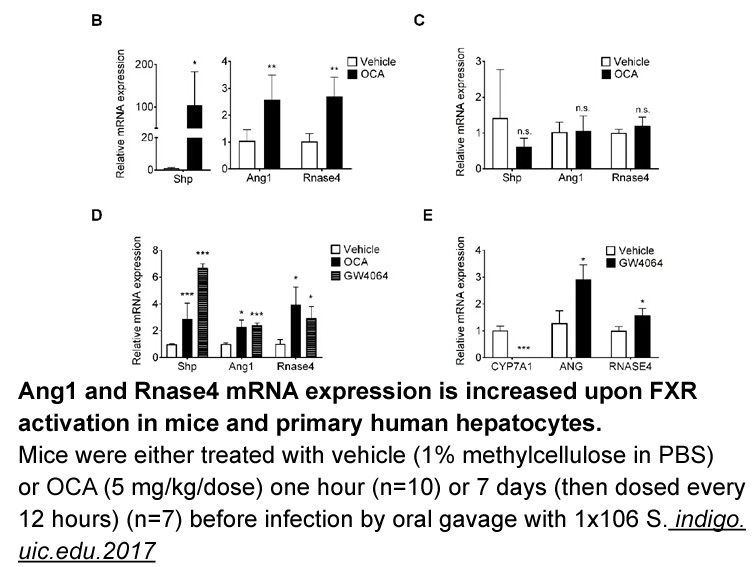
Materials and methods Results Discussion The transcriptional activity of PGC-1α is regulated by a number of stimuli, exemplifying the range of settings in which mitochondrial biogenesis is induced. The mechanisms governing this regulation have been extensively studied and have been determin
-
However relatively little information is available concernin
2024-02-07
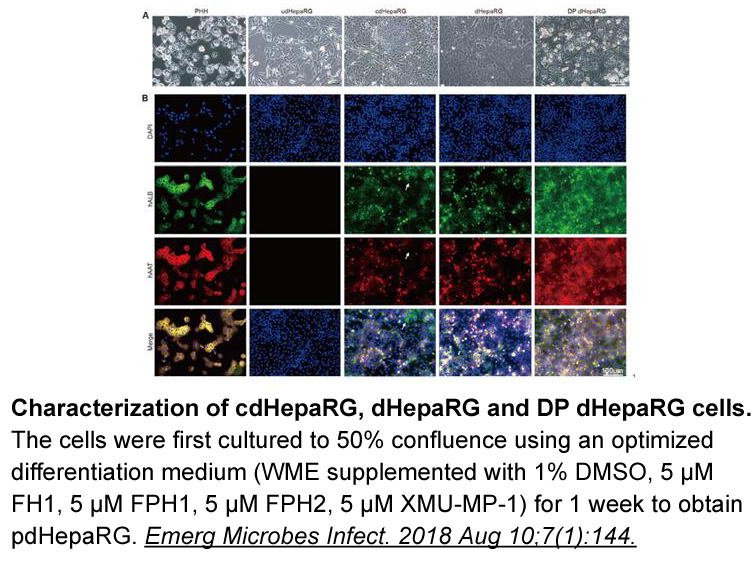
However, relatively little information is available concerning the biochemical properties and other features of such enzymes in Taeniid species. In the current report, a M17 leucine aminopeptidase gene of T. pisiformis (TpLAP) was cloned and expressed, and its enzymatic activity, biochemical propert
-
Based upon these findings the S lipoxygenase seems
2024-02-07

Based upon these findings, the 12S-lipoxygenase seems to increase membrane excitability by specifically inhibiting M-type K+ channels. The 12S-lipoxygenase is expressed in many parts of mammalian Fusidic Acid sodium salt including the cerebrum, cerebellum, hypothalamus, basal ganglia, hippocampus,
16711 records 222/1115 page Previous Next First page 上5页 221222223224225 下5页 Last page